

Cute Water Bottles to Actually Drink From (2026)
TL;DR
- Leak-proof lid is non-negotiable. A cute bottle that dumps in your bag is a paperweight.
- Straws that clog are the #1 complaint. Silicone beats hard plastic for cleaning.
- Insulation separates real bottles from toys. 12+ hours cold = real, 2 hours = decorative.
- Size first, color second. A cute 40oz you never fill isn't a bottle, it's a sculpture.
The viral water bottle era is exhausting. Every six weeks there is a new cup that 14-year-olds on TikTok insist is life-changing. The truth is most are fine, a few actually hold up, and size matters more than color.
What actually matters in a water bottle
Before you pick a color, pick the features that will not fall apart. Leak-proof lid, straw that does not clog, real double-wall insulation. Get those three right and you have a water bottle that lasts years. Get one wrong and you have a $45 mistake.
Cute is the last filter, not the first one. A pastel bottle with a bad lid is still a bad bottle. A boring black bottle with a great lid is still a great bottle. Function first, color second.
Before you buy any bottle, ask: could I throw this sideways in my tote for eight hours and not find a puddle? If the answer is not obviously yes, keep looking. Leaky lids are the #1 reason cute bottles get replaced.
Size matters more than color
A 14oz bottle is a purse accessory, not hydration. A 40oz bottle is an event. Pick the size that matches how much water you actually drink in a day, not how the bottle looks on a desk.
Most people land in the 24-32oz range. That is enough to make a dent in the daily total without being so heavy you leave it at home. If you find yourself leaving the bottle behind because it is too heavy, you bought the wrong size.
Size guide
| Size | Best for | Downside |
|---|---|---|
| 14–18oz | Purse / kid / backup | Refill every hour |
| 24oz | Errands, desk, light gym | Still small on a long day |
| 32oz | Daily driver, most people | Slightly bulky in small bags |
| 40oz+ | Gym, long drives, hot days | Heavy, handle-required |
Insulation is not marketing speak
Real double-wall vacuum insulation keeps ice for 12+ hours. Marketing-speak insulation keeps ice for two hours and then gets sweaty. The difference is in the steel thickness and the vacuum seal, and you cannot see it from the outside.
The shortcut test: look at the brand's listed ice retention time. Anything under 12 hours is not a serious insulated bottle. Above 24 hours is the real deal. If the bottle does not list ice retention at all, assume it is bad.
Cute bottles that actually insulate
Pulled from our drinkware picks — cute finishes, real insulation, tested lids.

U-Goforst Teacher Appreciation Gifts for Women, Gifts for Teachers, Teacher Gifts Supplies for Valentines Christmas Birthday Back to School Valentine Graduation Retirement
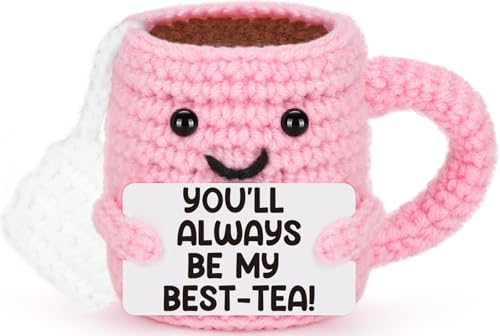
Funny Teacup Best Friends Friendship Gifts for Friend Bff Women, Mothers Day Birthday Long Distance Gifts for Besties Her Female Soul Sister, Cute Small Handmade Emotional Crochet Tea Cup Desk Decor

Stickers for Water Bottles, 200 Pack/PCS Cute Vsco Vinyl Aesthetic Waterproof Stickers Laptop Hydroflask Skateboard Computer Stickers for Teens Kids Girls

200Pcs Vintage Stickers, Aesthetic Scrapbook Stickers for Water Bottle, Notebook Junk Journaling, Waterproof Vinyl, for Kids Teenagers Adults

Tenceur Toast Bread Pen Holder Cute Toast Large Capacity Pencil Holder Funny Office Decor Pencil Cup Pot Desk Organizer for Office Makeup Brush Holders Back to School Funny Gift for Coworkers Women
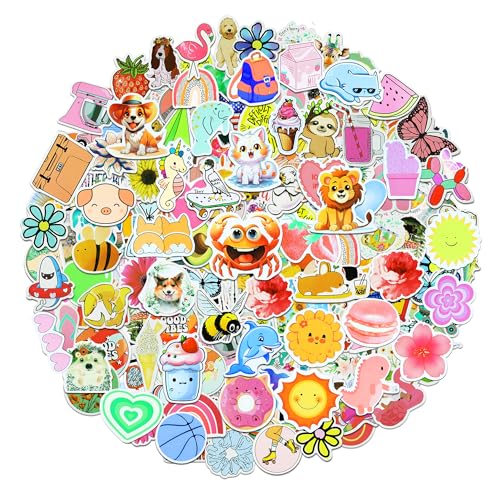
400Pcs Water Bottle Stickers for Kids, Cute Stickers for Water Bottles, Vinyl Waterproof Aesthetic Laptop Sticker Pack Classroom Prizes Skateboard for Kids Teens Girls Students
The two bottle archetypes
Every popular cute water bottle right now is a variation on one of two designs: the Stanley-style quencher (big, handle, straw, insulated tumbler) or the Owala-style sippy (smaller, push-button lid, flip-up straw, trim silhouette). These are fundamentally different tools for different daily routines.
Pick the one that matches your actual life. A quencher-style is for sitting at a desk, in a car, or in a gym bag where size is not a problem. A sippy-style is for fitting in a purse, going from meeting to coffee shop, and looking clean on a table. You cannot substitute one for the other.
Which archetype is actually you
Both are great. Neither is the answer if the other one fits your day better.
Honestly? A lot of people keep a quencher at the desk and a sippy in the bag. That is not a failure of discipline, that is matching the tool to the context. One bottle does not have to do everything.
Cleaning is a real consideration
Every straw water bottle is a cleaning burden. The straw clogs, the lid has grooves, and the inside of the body is hard to scrub. If you are not willing to clean it weekly, pick a bottle without a straw and a lid that comes apart in two pieces.
The cleaning bill for a complex-lid bottle is real: a dedicated straw brush, a dedicated lid brush, and about three minutes every few days. Most people do not do this, and then the bottle gets gross, and then they buy a new one. Match your cleaning energy to your lid complexity.
- Dishwasher-safe lids save you five minutes per week
- Removable straw and lid pieces are the difference between cleanable and 'moldy secretly'
- Silicone gaskets should come off — if they do not, you cannot fully clean them
- Wide-mouth openings make scrubbing the body way easier than narrow-mouth
Color and finish: the last 10%
Once you have locked in size, lid, and insulation, now you can think about color. Matte finishes hide scratches better than glossy ones. Pastel colors photograph well but show scuffs faster. Black and white are the two most forgiving.
Limited-edition colors are a trap — by the time you want a replacement lid or gasket, the color is gone and the replacement is a different shade. Stick to core colors if you care about longevity.
U-Goforst Teacher Appreciation Gifts for Women, Gifts for Teachers, Teacher Gifts Supplies for Valentines Christmas Birthday Back to School Valentine Graduation Retirement
The bottle in our gallery that nails all three: real insulation, clean lid engineering, and a color that does not show scuffs after a month.
What not to fall for
- Plastic bottles marketed as 'insulated' — they are not, and they stain.
- Bottles with painted exteriors that are not dishwasher safe — the paint peels within two months.
- Pill-organizer lids or hidden compartments — gimmicks, not features.
- Glass water bottles for daily use — they crack, they are heavy, and they are not a commute bottle.
- Novelty-shaped bottles (cat faces, fruit shapes). Almost always leak, almost never insulated.
- Unlabeled 'inspired by' knockoffs from marketplaces you have never heard of — the internals are different from the real brand.
Dupes of popular bottles look identical but use cheaper steel and weaker vacuum seals. If you are paying 40% of the original price, you are getting 40% of the performance. Spend the full price or skip it.
The picking formula
Pick the size first, the lid second, the insulation third, the color fourth. If you reverse that order — cute color first, then find excuses for the lid — you end up replacing the bottle in six months. Do it in the right order and one cute water bottle can last you years.
Quick questions
Leak-proof lid first, real vacuum insulation second, and an easy-to-clean straw third. Cute water bottles that fail on any one of those three points stop getting used within a month. Color and style are the last filter, not the first.
Some are, some aren't. The best cute water bottles from the viral era have genuine insulation and tight lids — they trended because they worked. The worst are pretty shells with cheap straws that clog in a week. Check real reviews for leak and cleaning complaints before buying.
32oz is the daily driver sweet spot — big enough to hydrate without refills, small enough to fit in a backpack pocket. 40oz is for the gym or long days. 20oz is for desk-only use. A cute 64oz bottle looks great and gets left home.
If you want to drink more water, yes. Studies and personal experience both show straw bottles get drunk from more frequently than chug-lid bottles. Silicone straws clean easier than hard plastic and don't clog as often.
Still scrolling? Let us do the picking.
We built an Instagram-style swipe deck of every cute thing in our gallery. Swipe right on the ones you love — it's faster than reading reviews.